- The fastest way to improve is to make your basic step, weight changes and frame automatic.
- Practise ten minutes a day at home with music. Little and often beats one long session.
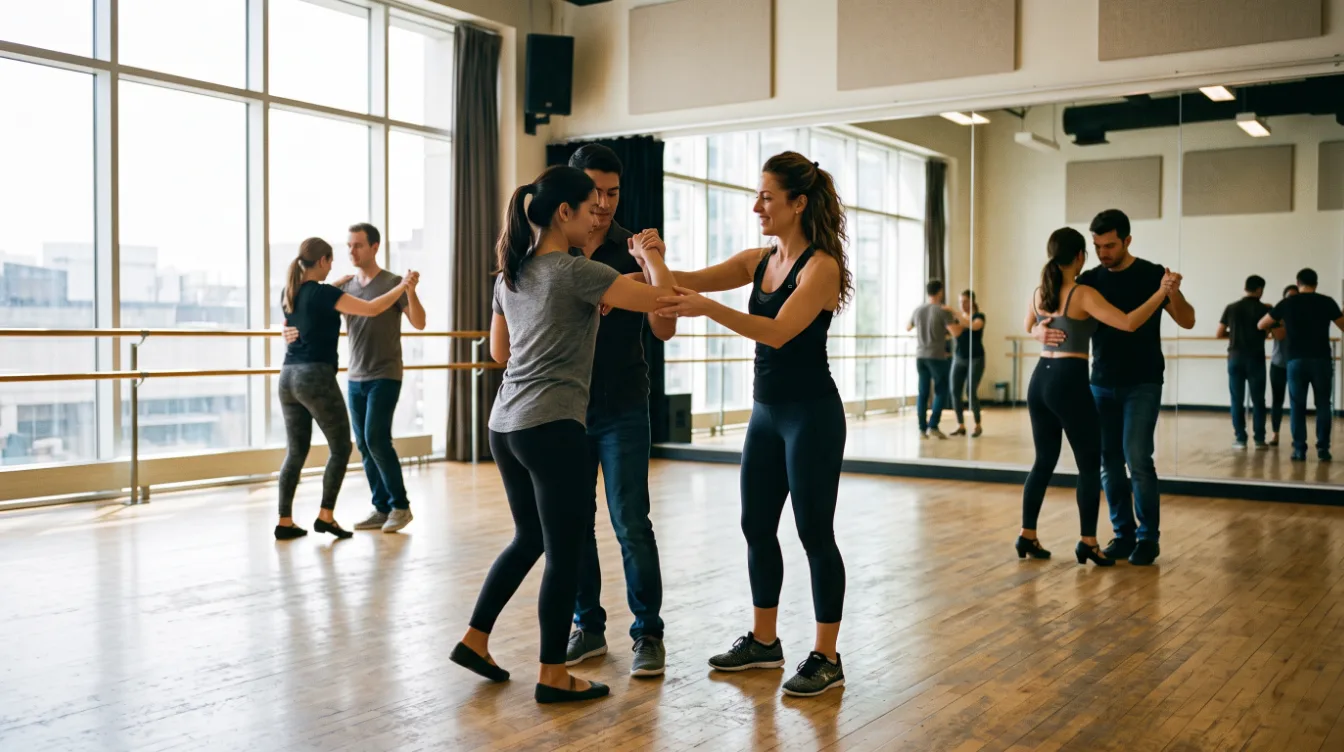
- Dance with as many partners as you can. Rotation teaches you to lead and follow anyone.
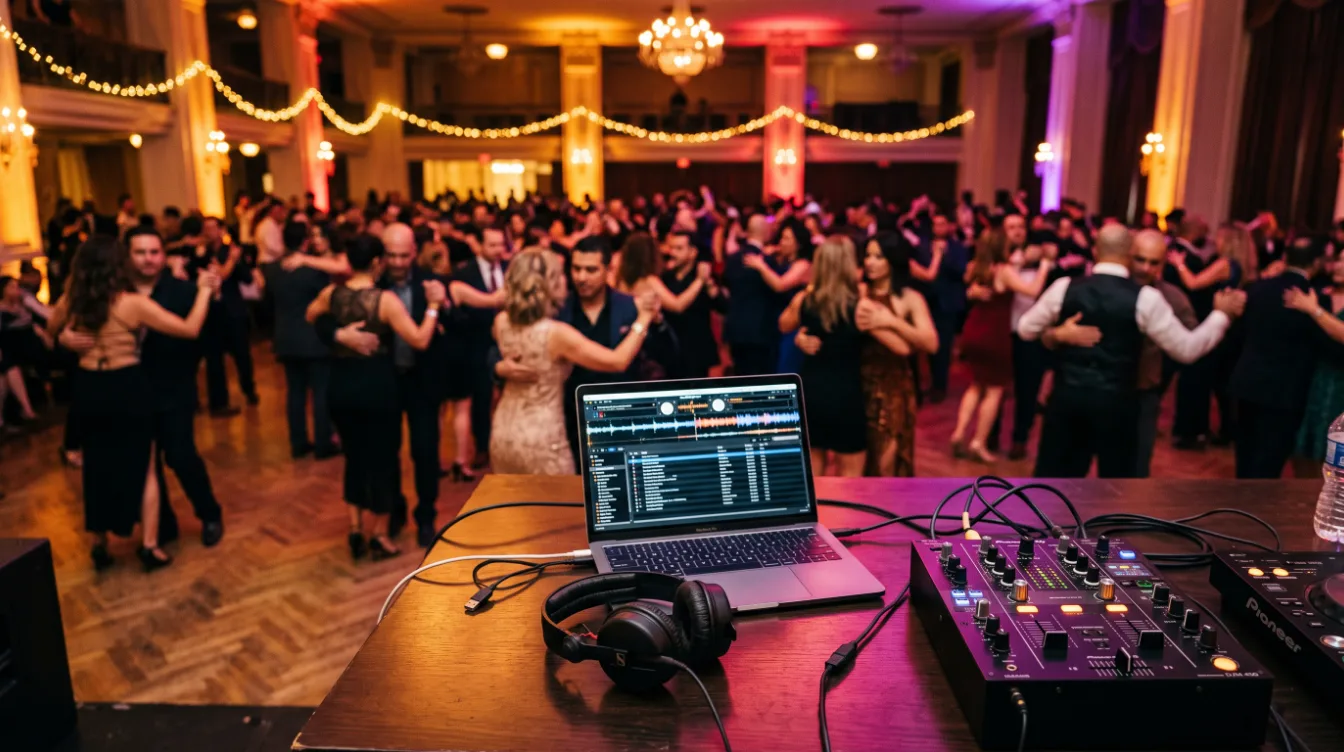
- Go to socials regularly and to a festival at least once a year for new input.
- Get feedback from a teacher and film yourself. You cannot fix what you cannot see.
To get better at bachata, make your basics automatic, practise a little every day, train your ear, dance with everyone, go to socials, get feedback, learn one style deeply and go to a festival at least once a year. Every dancer hits a point where classes stop feeling like progress. You know plenty of moves, but your dances do not feel much better than a year ago. The good news is that the fix is rarely more moves. In our years of teaching and running festivals, the dancers who keep improving share a handful of simple habits. Here they are.
1. Make your basics automatic
Every bachata figure is built on the same few things: the basic step, clean weight changes, soft knees and a steady frame. When those run on autopilot, your attention is free for your partner and the music. When they do not, every new combination is a struggle.
- Dance your basic step to a full song, side to side, forward and back, without losing the tap.
- Check that your weight is fully on one foot before the next step. Most balance problems start here.
- Let the hip movement come from the weight change and the knees, not from pushing the hips.
- Practise turns slowly, then at tempo. Spotting and a stable axis matter more than speed.
2. Practise at home, a little every day
Ten minutes a day does more than an hour once a week. A simple routine:
- Four minutes of basic step, focusing on timing and weight.
- Two minutes of body movement: waves, rolls, isolations.
- Two minutes of styling or footwork from your last class.
- Two minutes of free dancing, listening for the breaks.
Use different music every week. Our playlist of bachata songs for dancing is a good place to start.
3. Train your ear, not just your feet
The difference between a correct dance and a beautiful one is musicality. Listen to bachata when you are not dancing. Count along, find the "one", notice where the guitar takes over, where the singer pauses and where the song builds. Dancers who know the music do less and look better, because what they do fits the song.
4. Dance with everyone
If you always dance with the same partner, you learn that partner. To get better at bachata, you need to lead or follow people of every level and style. In class, rotate. At socials, ask people you have not danced with. Leaders learn to make their lead clear and comfortable; followers learn to listen without guessing. It is also why you do not need a partner to improve, as we explain in bachata without a partner.
5. Go to socials, not just classes
Classes teach you material. Socials teach you to use it with a stranger, to unknown music, on a crowded floor. Try to go at least as often as you take class. In Prague, our guide to where to dance bachata lists the weekly socials.
6. Get feedback and film yourself
A good teacher sees in one minute what you would not notice in a year: weight on the tap, locked knees, a collapsing frame. Ask for corrections, take a private lesson now and then, and film a social dance once a month. Watch it once for posture, once for timing and once for your partner's face. It is humbling and it works.
7. Learn one style deeply, then explore
Switching style every month makes it hard to build solid foundations in any of them. Give one style, sensual or Dominican for example, enough time to feel at home in it, then add others. Each style trains something different, and the second one comes much faster. Sensual vs Dominican bachata explains what makes each one distinct.
8. Go to a festival at least once a year
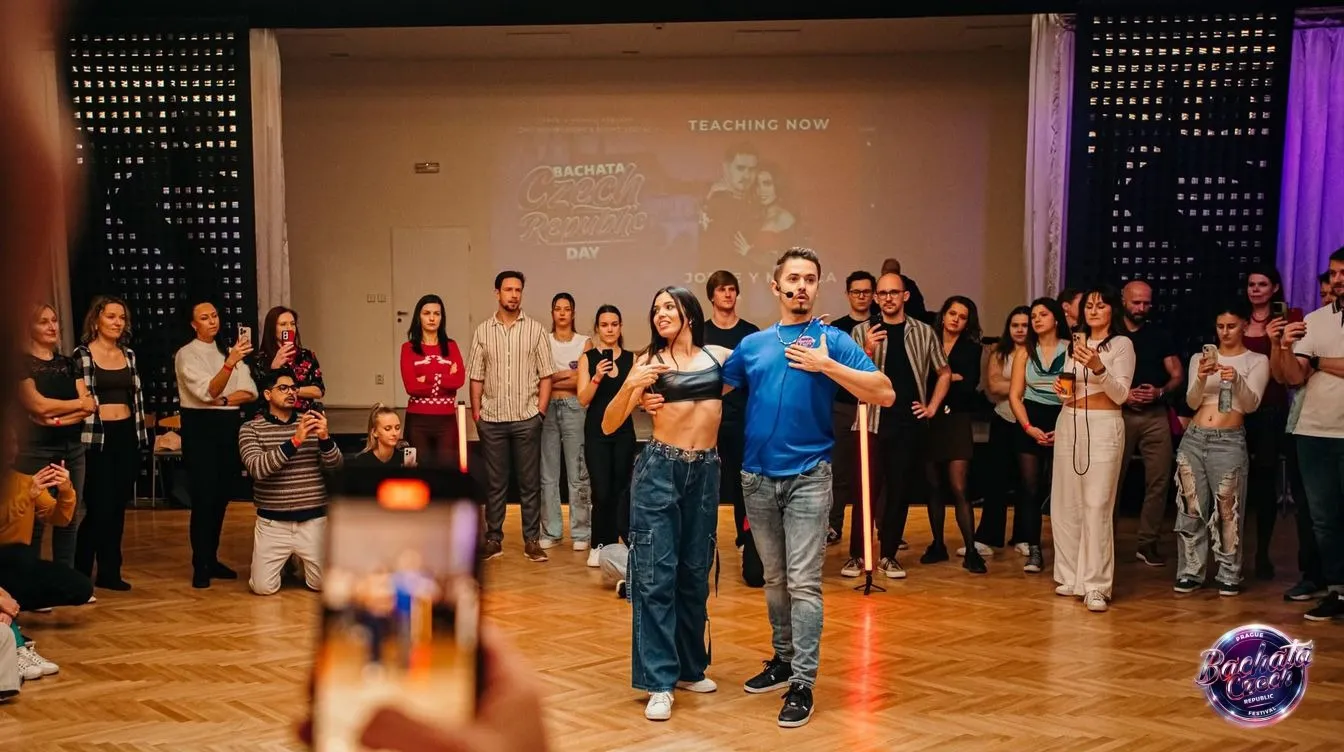
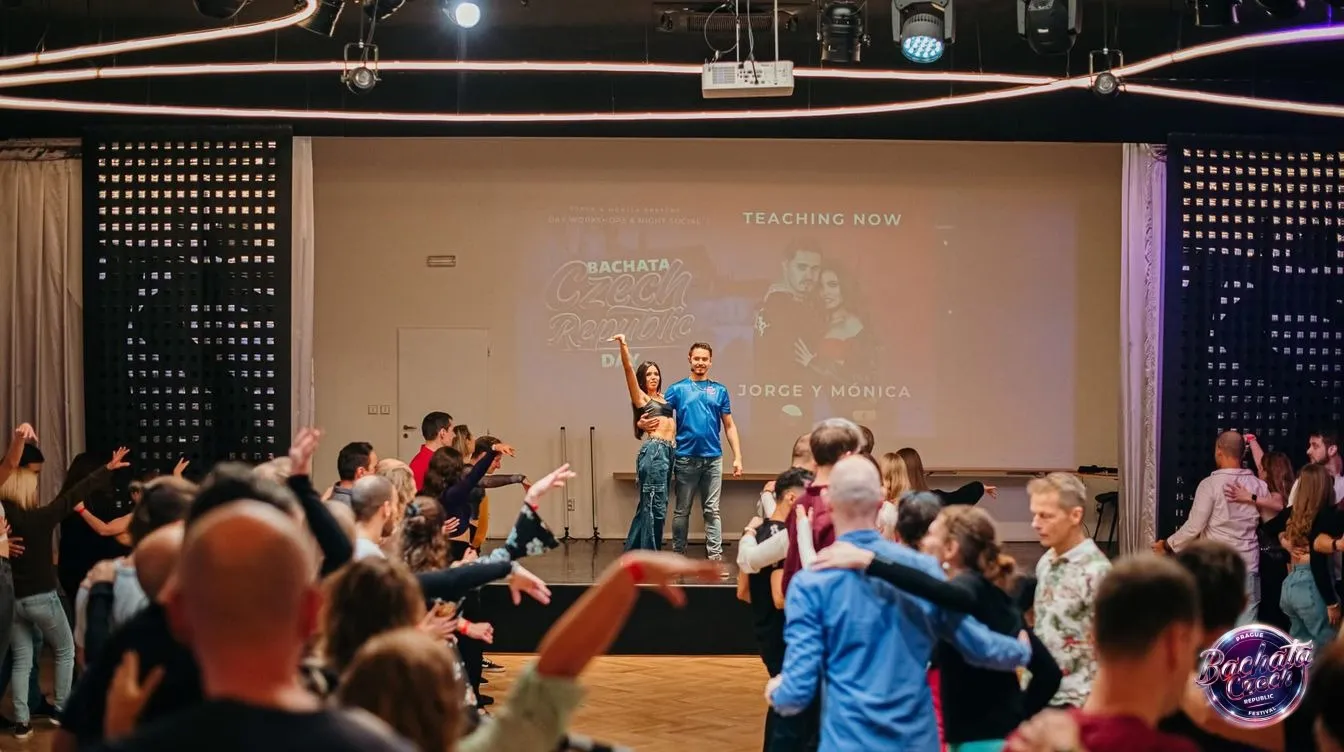
A festival weekend gives you more input than months of weekly classes. You take workshops with international artists, dance with people from dozens of countries and see what bachata looks like at its best. Pick two or three workshops a day that really matter to you, take notes, and film the recap when the artist allows it. Then practise that material for the next few months. If it is your first, read your first bachata festival first.
Mistakes that slow you down
- Collecting combinations instead of fixing the basics.
- Dancing for the audience rather than for your partner.
- Learning only from videos, with nobody to check your weight and frame.
- Long breaks between classes, so every lesson starts from zero.
- Comparing yourself to professionals instead of to yourself last year.
How do you know you are improving?
Not by the number of moves you know. Better signs: partners come back for a second dance, you stay relaxed with someone new, you find the beat in songs you have never heard, and you can slow down in a break instead of rushing through it. If those are happening, you are getting better, even when it does not feel like it.
Questions people ask
How can I improve my bachata quickly?
How can I practise bachata at home?
Why am I not improving in bachata?
Do bachata festivals help you improve?
How often should I go to bachata socials?

Jorge and Mónica are professional bachata dancers with more than fifteen years of teaching behind them. They run Jorge y Mónica Academy in Prague, organise Spanish Bachata Training Camp and Bachata Czech Republic Day and Night, and founded Bachata Czech Republic Festival, whose first edition in 2026 brought 600 dancers from more than 40 countries to Prague.